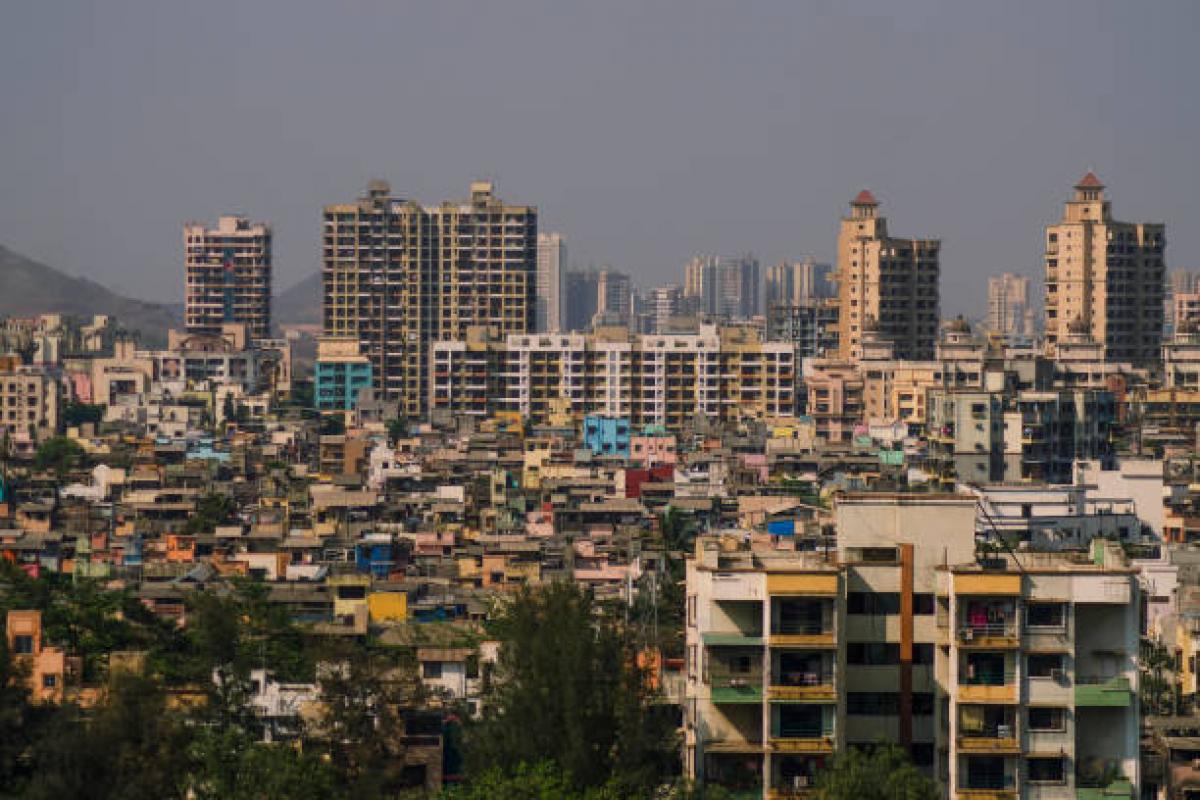
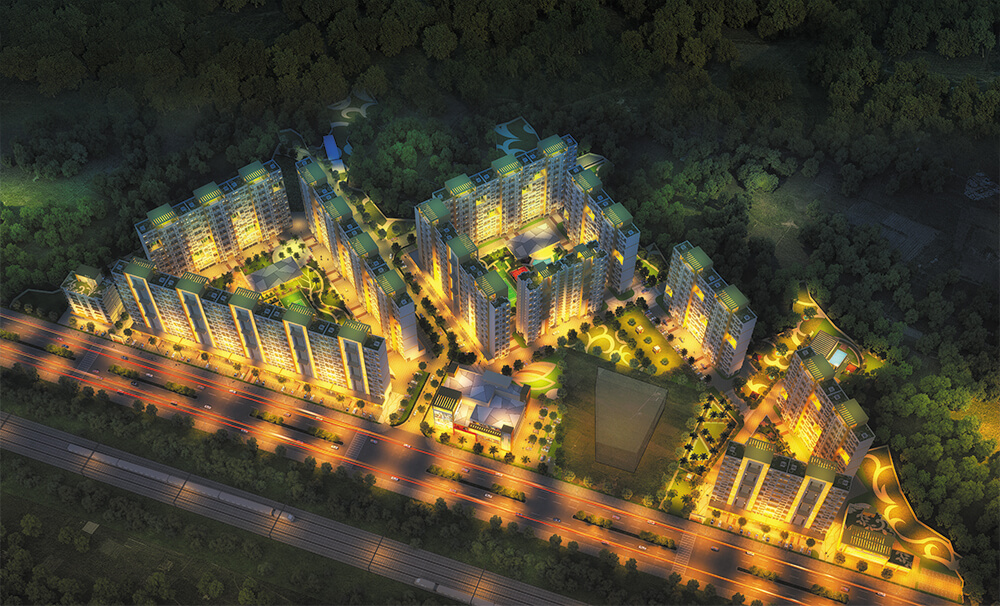
Integrated townships are reshaping how people live in Navi Mumbai developments. The shift is steady, and very visible. Families want organised spaces that feel calm and safe. Investors want assets that hold their value over time. A township offers both: planned roads, green pockets, essential services, and community-led living. All within one connected blueprint.
This rise is not by chance. Navi Mumbai is entering a phase where residents prefer environments that feel complete, not scattered. And as more people look for long-term homes rather than temporary stops, planned townships stand out.
In this blog, we explore why integrated townships are becoming the preferred choice, what makes them premium, how sustainable construction supports them, and why they offer strong investment potential in 2025.
Townships are gaining attention because they offer something most city pockets struggle with — structure. A sense of order in daily movement, access, and lifestyle. When a neighbourhood is planned from the ground up, it functions more smoothly. People feel the difference in their routines, and in how the space supports them.
This shift sets the stage for two key changes that define township living today.
Integrated layouts ensure that roads, blocks, public spaces, and essential services sit exactly where they should. There is less confusion, fewer bottlenecks, and a quieter rhythm of movement through the day. Wider roads and clearer zoning make the area feel organised rather than pushed together. This planning becomes the backbone of the entire community.
The real strength of a township lies in its convenience. Small grocery stores, clinics, learning centres, workspaces — they all sit within walking distance. Residents do not need to step out for every small task. This reduces travel time, stress, and daily friction. For families, this sense of self-sufficiency quickly becomes one of the biggest reasons to choose township living.
Premium living in Navi Mumbai is no longer about height or luxury interiors alone. It is about comfort, balance, and well-being that fit into daily life. Townships deliver this by bringing community-focused design and modern technology into the same framework.
This promise of ease and everyday quality flows into the two features that homebuyers value most.
Townships typically include larger green pockets than standalone buildings. Parks, walking tracks, shaded corners, and open lawns give residents breathing room. These spaces bring natural light, cooler temperatures, and simple moments of quiet through the day. They also support mental well-being, and encourage community interactions.
Digital systems now shape basic living. Access control, security monitoring, energy-efficient lighting, and EV charging points all come built into newer township projects. These features do not overwhelm residents; instead, they make daily life smoother. Maintenance stays predictable, spaces stay safer, and homes feel ready for the future.
Sustainability is not an added feature in township projects; it is often the starting point. Builders choose materials and systems that last longer, waste less, and reduce pressure on local resources. This approach strengthens the community over time and keeps operational costs steady.
Two construction principles drive this shift.
Builders are using low-waste systems, solar integration, and water-saving methods across township blocks. These choices reduce environmental impact and improve the durability of the project itself. For residents, this translates into safer, healthier homes.
Townships manage water, waste, and energy through shared systems that work more efficiently than isolated building setups. The results are fewer breakdowns, stable maintenance costs, and better service reliability for residents.
As the market grows, integrated townships are emerging as long-term performers. They attract families, offer stability, and maintain higher demand across economic cycles. Investors appreciate this predictability. Homebuyers value the everyday comfort it brings.
Two factors drive the investment case strongly:
Township projects generally hold value better than smaller stand-alone buildings. Their scale, planning, and amenities make them more resilient to market fluctuations. They attract buyers even when overall demand slows, which keeps property values stable and growing.
Families choose townships because they solve daily problems with ease. Safety, convenience, open spaces, community events, and proximity to essentials create a lifestyle that feels reliable. This satisfaction leads to longer occupancy, better upkeep, and stronger resale interest.
Navi Mumbai is moving towards an era where integrated townships define how people live and plan their futures. With thoughtful layouts, green areas, sustainable construction, and stable value, these developments offer a complete way of living that fits both families and investors.
If you’re exploring land development or planning a township-scale project, TPV Vishwakarma can support you with practical planning, sustainable construction, and reliable on-ground execution. Contact us and let’s build communities that last and add value for years to come.