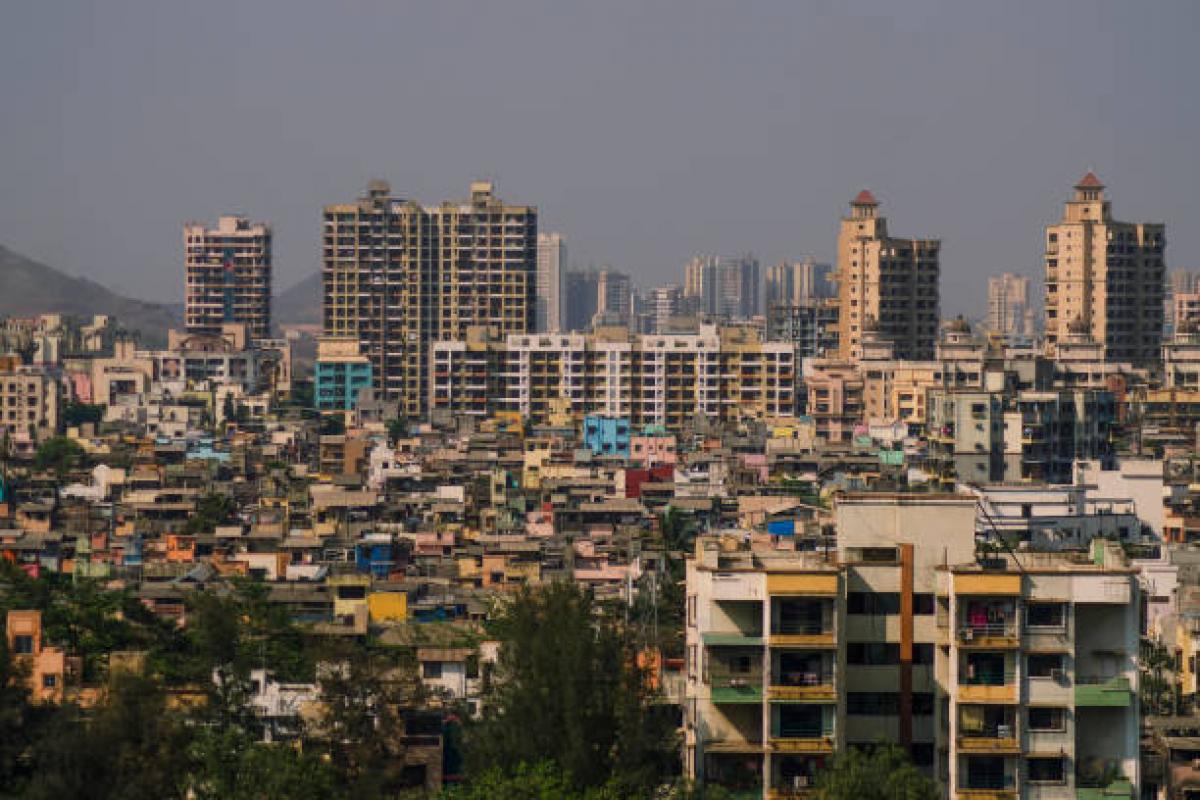
Construction costs in 2026 are shaping how builders plan, budget, and execute projects across Navi Mumbai. With real estate pricing in many pockets now between ₹9,000–₹16,000 per sq. ft., construction costs have moved to the ₹1,500–₹2,500 per sq. ft. range.
Rising land values, higher labour costs, new approvals, and a growing demand for better amenities drive this shift. Builders now face a market where smart planning matters as much as quality.
This blog walks through the current cost structure, the strategies that help builders stay on track, the material innovations gaining traction, and the building trends shaping Navi Mumbai’s future in 2026.
Rising costs are changing the way developers think about scale and efficiency. Instead of cutting corners, builders are now looking for ways to create better value — with smarter materials, tighter planning, and practical design choices. This new cost reality is pushing the industry to evolve, not slow down.
Construction spending now sits between ₹1,500 and ₹2,500 per sq. ft. The rise is influenced by:
All these elements shape the final cost, making it very important for builders to stay precise.
Budgets move faster than expected today. Cash-flow needs closer monitoring. Project cycles are shorter. And buyers prefer clarity about what they’re paying for. Builders who plan with flexible, transparent systems find it easier to manage rising costs without losing quality.
Budgets in 2026 require sharper decisions. Builders who prioritise early, avoid hidden costs, and structure their spending with intention create projects that remain profitable even in a rising market. This approach supports stability and keeps construction running smoothly.
Spending must start with the essentials — structure, safety, and core amenities. These elements protect long-term value for buyers and reduce maintenance issues later. High-impact materials, foundation strength, and quality finishing form the backbone of any project.
Hidden costs often appear when planning isn’t tight:
When teams coordinate well, waste drops, delays are reduced, and surprise expenses stop slipping into the budget.
Large projects move more steadily when built in phases. Breaking the work into smaller parts keeps cash flow predictable and easier to manage. It also gives builders room to adjust plans based on market response. This steady movement supports quality without stretching finances too far.
New materials and technologies let builders to create strong, efficient structures while controlling expenses. Many of these innovations are becoming standard in Navi Mumbai, helping projects remain sustainable and cost-effective.
Precast elements reduce labour hours. AAC blocks keep buildings cooler and lighter. Recycled materials cut waste without affecting quality. These options help reduce both construction time and running costs.
Solar panels, LED lighting, better ventilation, and insulated walls reduce everyday consumption. Homeowners enjoy lower bills, and the building retains long-term value. Builders who include these features stand out in competitive markets.
BIM modelling, automated monitoring, and digital project tracking improve accuracy. They prevent errors and keep teams aligned. This reduces rework — one of the biggest silent cost drivers in construction.
Navi Mumbai’s buyers are becoming more selective. They want thoughtful homes, stable amenities, and communities that feel complete. Builders who follow these trends offer projects that match what 2026 buyers expect:
Buyers want comfort, but not unnecessary extravagance. Mid-luxury homes strike this balance. They feature clean designs, practical amenities, and better finishes without going into ultra-premium territory.
Smaller but smarter homes are becoming more attractive. Efficient layouts allow families to enjoy more functionality per square foot. This helps builders optimise space without increasing unit sizes.
Features like grand lobbies or oversized clubhouses are slowly losing relevance unless they support everyday living. Instead, homeowners are now looking for parks, security zones, walking paths, and wellness areas. They bring daily value.
Construction costs in Navi Mumbai are rising, but so is the opportunity to build with intention. With careful budgeting, material innovation, and practical planning, builders can deliver projects that stay profitable and meet buyer expectations.
If you’re planning to build or upgrade your next project, TPV Vishwakarma provides practical guidance, reliable construction expertise, and a clear approach to cost-efficient development. Contact us and let’s create structures that are strong, smart, and future-ready.