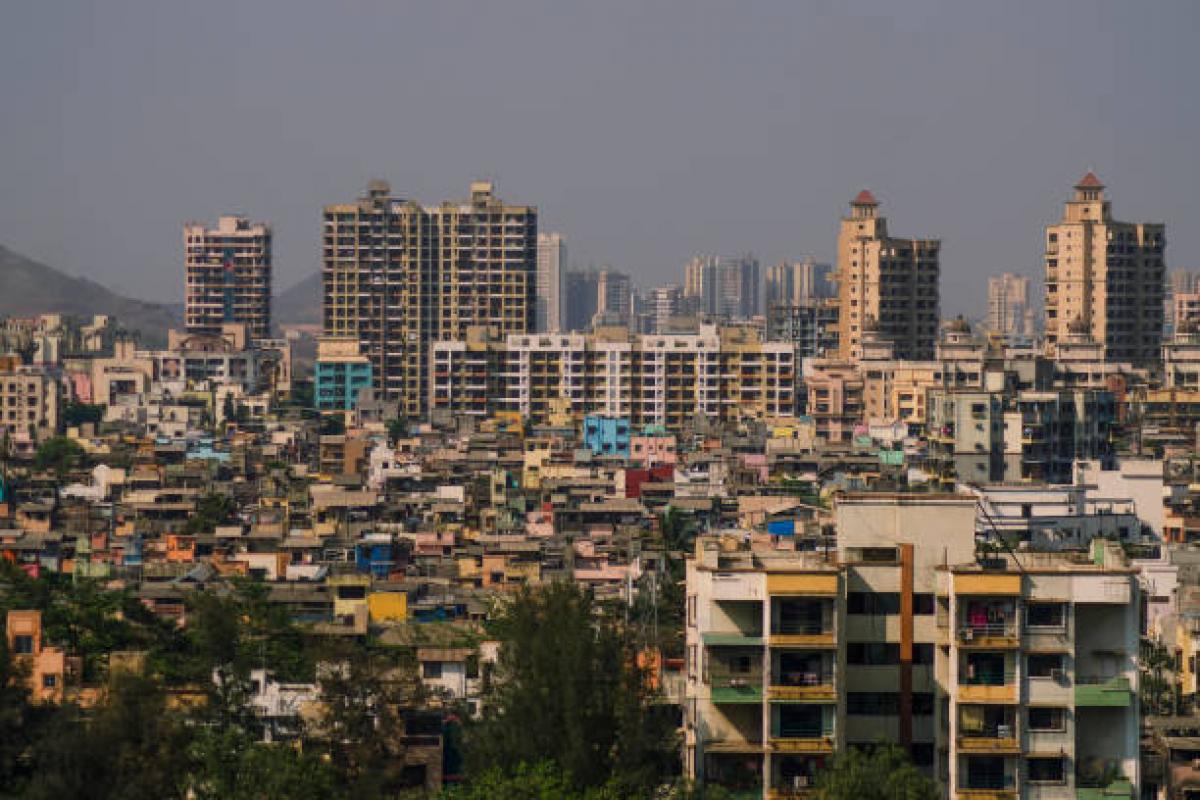
Old Navi Mumbai is changing, and you can feel it in the older sectors that once defined the city’s early growth. Buildings that served families for decades are now showing their age—lifts stop working often, repairs feel endless, and the layouts no longer match how people live today.
Residents want safer homes, more space, and better comfort. Developers see potential too, because these neighbourhoods sit in some of the city’s best-connected pockets. In this blog, we explore why redevelopment is rising, how the process works, and why builders are treating Old Navi Mumbai renewal as one of 2026’s strongest opportunities.
Old Navi Mumbai is entering a natural upgrade cycle because many buildings have crossed 30–40 years of use. Structural fatigue, outdated layouts, and limited amenities make them less suitable for today’s living standards.
Residents now want safer foundations, lifts, parking, and secure environments; features that older structures cannot easily support. This shift in expectations leads to two major forces pushing redevelopment forward.
The early nodes, such as Vashi, Nerul, CBD Belapur and Kopar Khairane, contain many societies built decades ago. Time, weather and usage have weakened these structures. Regular repairs are no longer enough. Redevelopment becomes the practical, long-term solution.
Families want better layouts, extra rooms, and proper ventilation. Developers benefit too, since newer FSI rules let them build higher, creating more homes and adding value for both sides. Residents gain bigger, safer flats without taking on construction expenses. Developers gain saleable inventory in prime micro-markets.
Redevelopment follows a structured path. Societies begin the process with discussions, legal checks, and a fair selection of the right developer. Once the agreement is finalised, planning and design work shape the future building. Then comes construction, temporary accommodation, and finally the handover.
A society first needs majority consent. Members evaluate proposals, timelines, and benefits offered by each developer. Choosing an experienced builder is essential because redevelopment demands precision, safety knowledge, and strong project management.
Once selected, the developer prepares plans, secures approvals, and signs development agreements with the society. Also, RERA compliance, layouts, and timelines are properly defined. This kind of transparent communication keeps the process steady and prevents disputes later.
Residents shift to temporary accommodation as construction starts. The developer manages demolition, foundation, and high-rise work under engineering supervision. After inspections and final approvals, owners receive possession of their new homes.
Redevelopment creates value for both sides: residents gain modern homes at no extra cost, while developers get premium units that attract buyers. This balance makes redevelopment one of the most effective renewal models for older urban pockets.
The benefits appear in two clear forms:
Residents receive new flats with added carpet area, modern amenities, and safer structures. They don’t bear construction expenses. Their homes become more valuable and more liveable without financial strain.
Developers gain high-rise luxury apartments in core locations. These units attract professionals, families, and investors willing to pay for modern living in well-established areas. This gives builders healthier margins and faster resale cycles.
Older Navi Mumbai sectors offer a strong promise because land value is high, and redevelopment unlocks their full potential. Buyers prefer modern buildings with better safety, greener systems, and efficient layouts. Developers can transform outdated structures into premium vertical communities that match today’s expectations.
Three clear trends highlight why this moment is ideal.
Redeveloped buildings use better insulation, solar panels, and water-saving systems. These upgrades lower energy use and keep maintenance in control. Residents get a healthier and more efficient home environment.
Modern high-rises in prime sectors attract higher-paying tenants and buyers. This ensures strong resale value over time, especially in areas close to business districts, schools, and transport links.
Many older plots sit on some of Navi Mumbai’s best land. Redevelopment lets builders reimagine these spaces with better height, more green zones, and contemporary designs. It turns ageing structures into landmarks.
Redevelopment is not just construction, but a renewal of entire communities. Older buildings gain strength, families get better homes, and developers create sustainable, premium properties that uplift the whole area. As Navi Mumbai moves into a new phase of urban growth, redevelopment stands out as the most meaningful way to blend safety, luxury, and long-term value.
If you’re planning a redevelopment project or exploring partnerships, TPV Vishwakarma offers reliable engineering, thoughtful planning, and on-ground execution to turn ageing spaces into modern masterpieces. Contact us and let’s build a stronger Navi Mumbai, one society at a time.